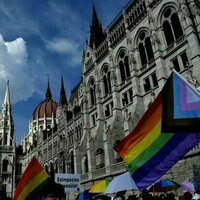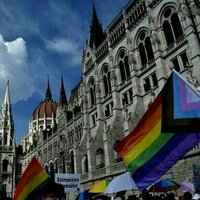


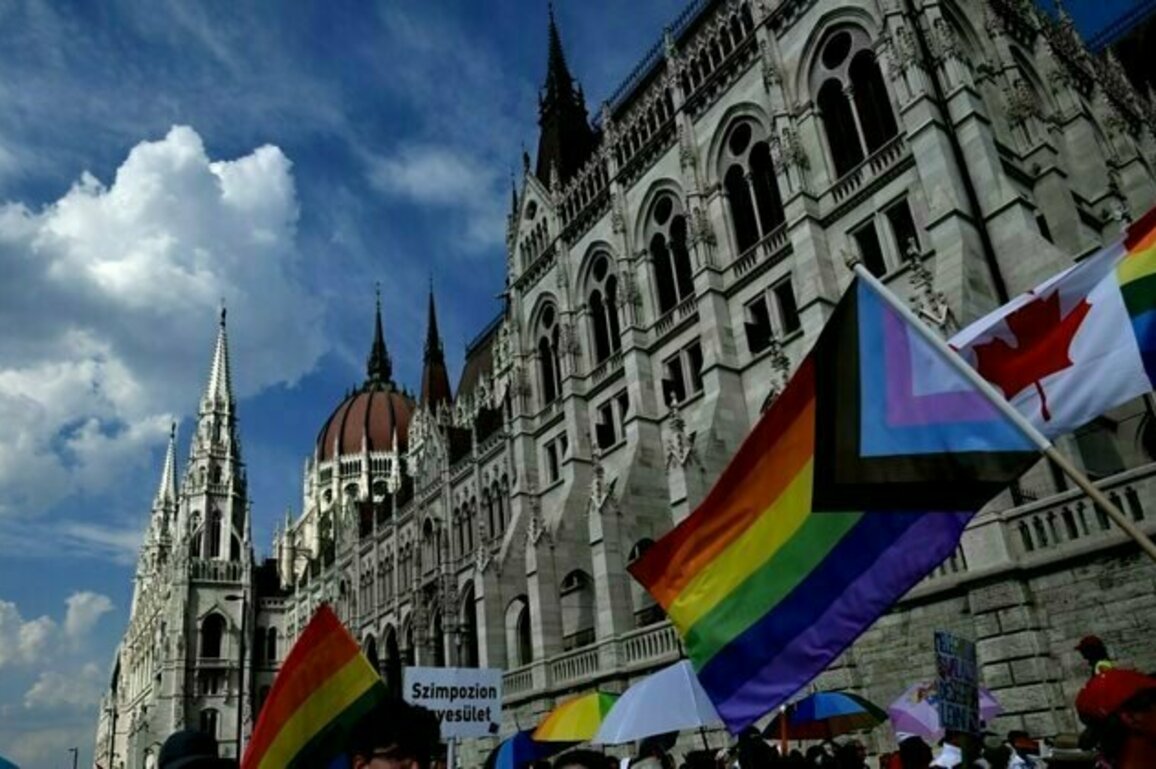
BUDAPEST -- Tens of thousands of people defied a government ban by participating in the Pride march in Budapest, Hungary's capital, on June 28.
The parade route was changed to avoid possible conflicts with right-wing counter-demonstrators, but as of early evening, no significant incidents transpired.
Observers called the event likely marked the largest Pride march in Hungarian history.
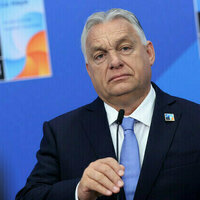
Right-wing populist Viktor Orbans government and the Budapest police forbade the annual event under a new law that prohibits the exposure of young people to non-heterosexual lifestyles.
But Budapest mayor Gergely Karacsony, an opposition leader, backed the event by co-organizing it with the city hall to declare it a municipal event, which didnt require police approval.
Pride marches, a regular annual event in many Western cities, are occasions to highlight the rights of lesbian, gay, bisexual, transgender and queer (LGBTQ) people.
Orbans initiatives have been protested at home. The European Union and human rights groups have also condemned his actions.
"We're not just standing up for ourselves... If this law isn't overturned, eastern Europe could face a wave of similar measures," said Viktoria Radvanyi, an organizer of the march.
On June 27, Orban warned the participants to be aware of "legal consequences." But he also said that the police would not break up the march.
Attendees may face fines of up to $580, while organizers could technically be imprisoned for up to a year. Authorities may be using facial recognition technology to identify the participants.
Karacsony, however, has insisted that participants will not face any reprisals.
The only take for police, he said, "is a serious one: to ensure the safety of Hungarian and European citizens attending the event."
Bence Tuzson, the Hungarian justice minister, has threatened Karacsony with a one-year prison sentence for helping to organize the event.
The minister has also warned foreign embassies in Budapest and informed them that the march was officially banned.
The 30th edition of the Budapest Pride March began at 2 p.m. CET near Budapest's city hall.
Scores of European lawmakers and ministers from several EU countries pledged to attend the event to show solidarity with the participants.
With reporting by the AFP and DPA